
Last updated November 25, 2026
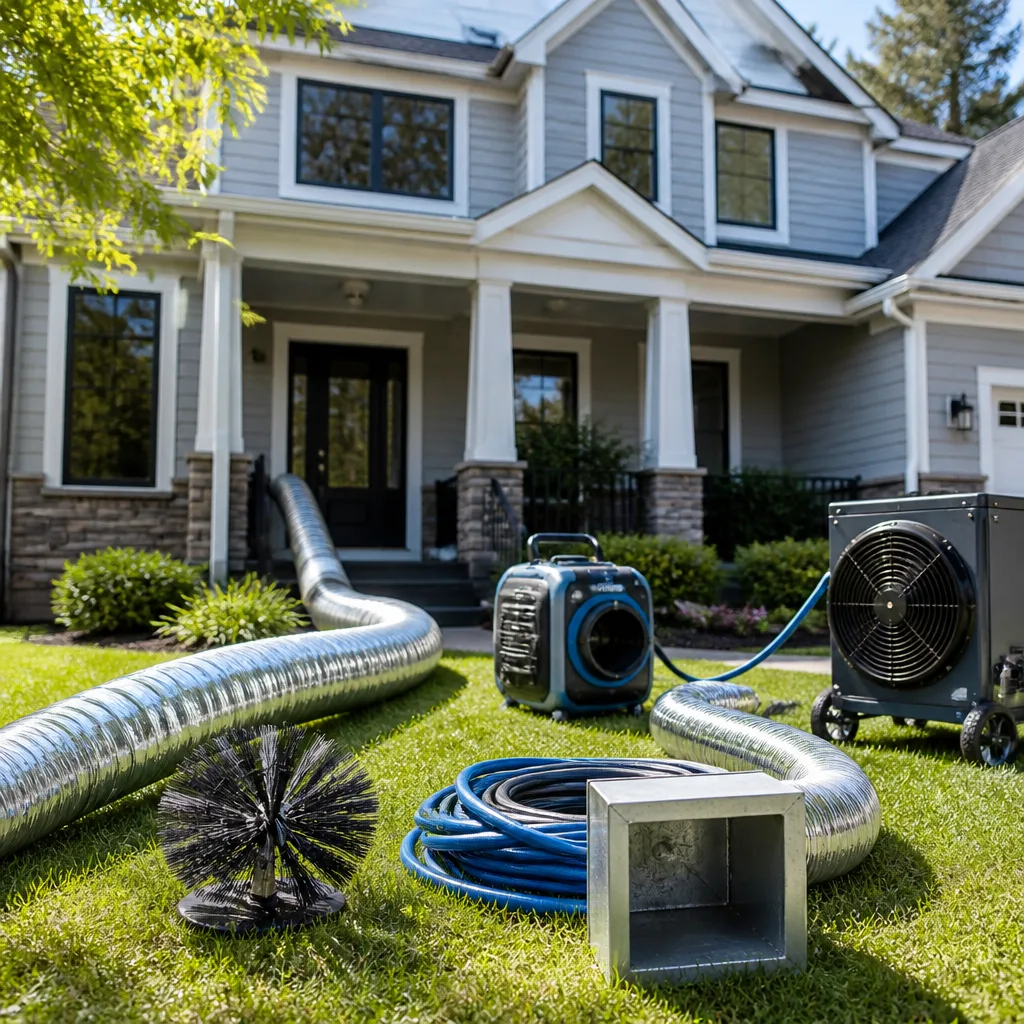 Whole-home duct cleaning
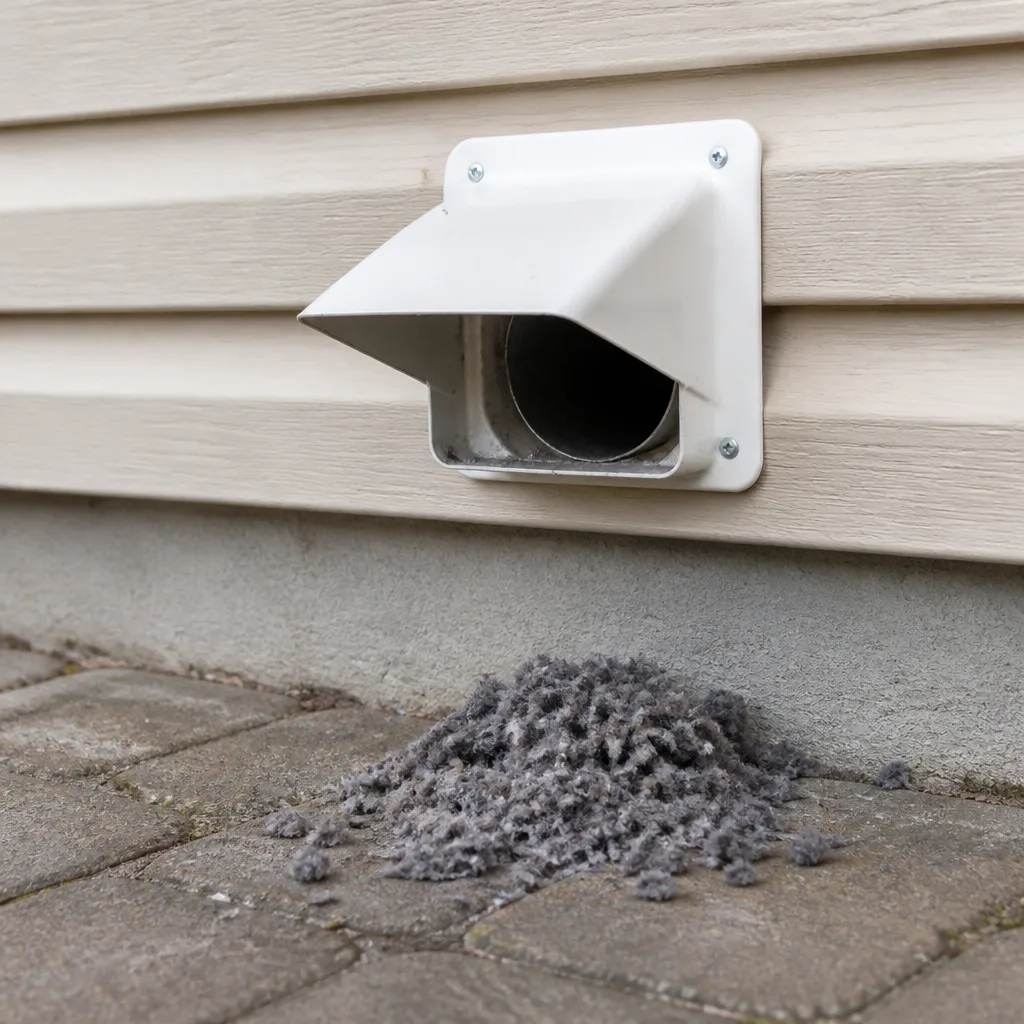 Dryer vent cleaning
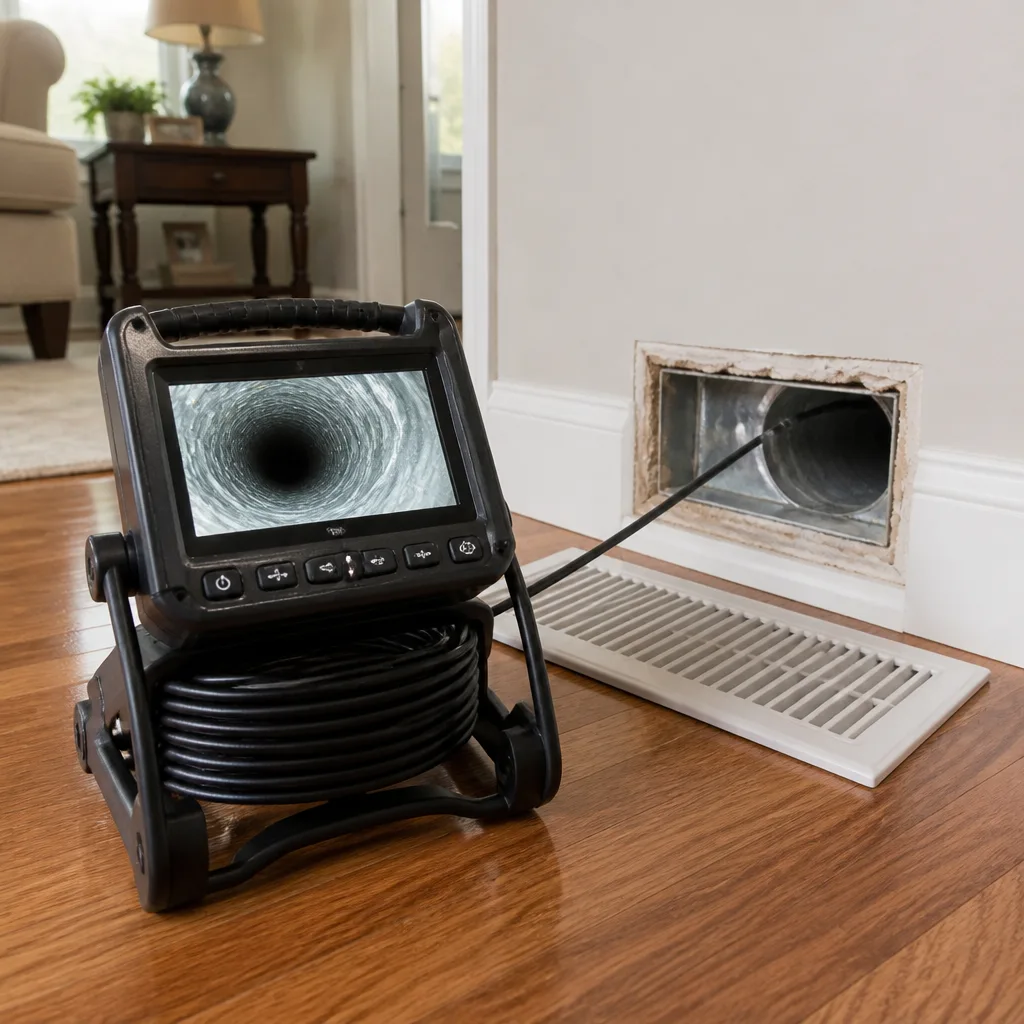 Camera inspection
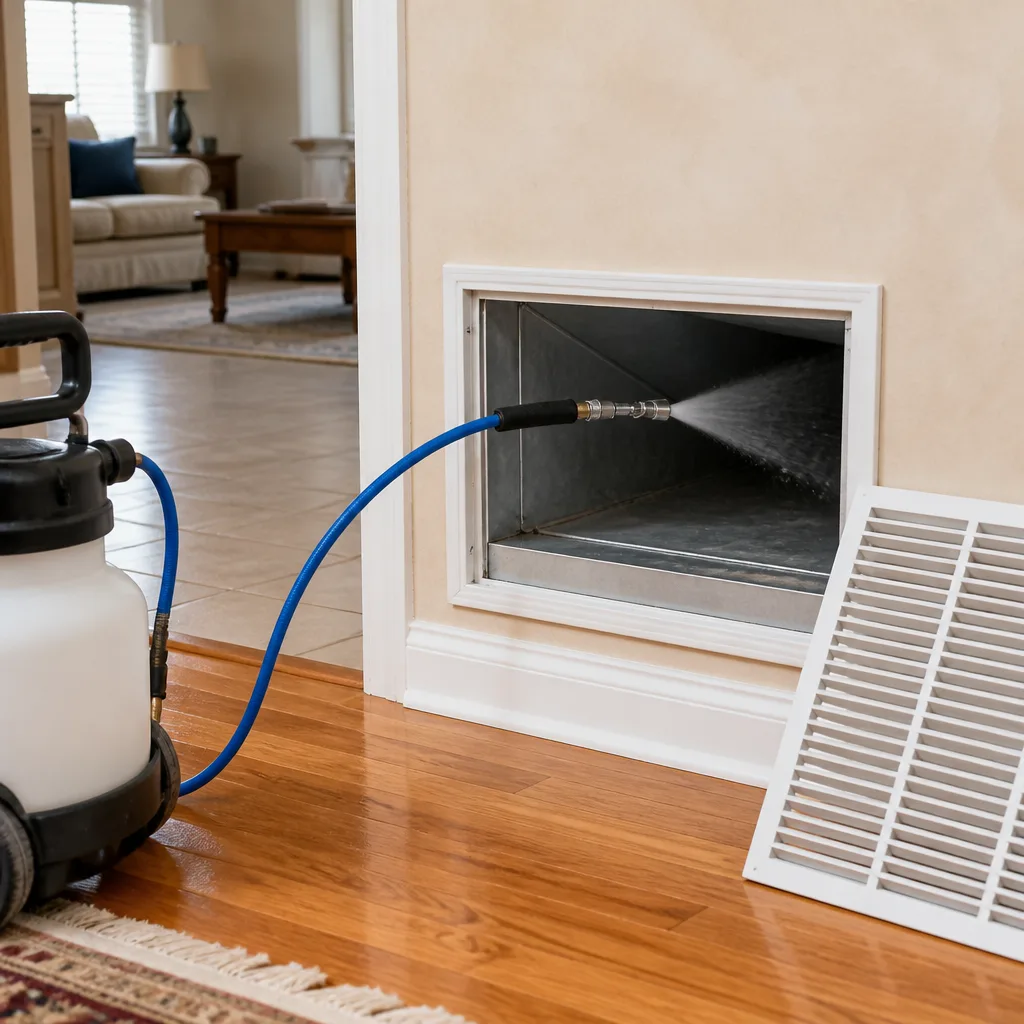 Sanitizing & deodorizing
Whole-system duct and dryer vent check with before-and-after photos - you see exactly what came out of your vents
That "$99 whole-house special" is a bait ad - the real number appears once they are in your hallway, or the "clean" is a shop-vac at the register. We photograph the inside of your ducts before and after instead.
Seasonal Air Duct Cleaning Care for Steele Creek: Year-Round Homeowner’s Guide
Most homeowners book duct cleaning in January because the phone quote is easier to get and the service feels out of season. In the Charlotte metro, that’s the wrong timing. The contamination cycle inside a Steele Creek home peaks twice, once in April as the system switches to cooling and again in September after a full summer of heavy moisture load, which means cleaning in deep winter often scrubs a system before the real problem has finished presenting. This guide lays out a four-season calendar built around the local climate rather than a generic annual reminder, and explains what to check, when to schedule, and what professional-grade equipment actually changes about the result.
Quick Answer
The best time of year for air duct cleaning in Steele Creek is late March through early April, before the cooling season loads the system, and again in September after summer humidity has done its damage. Those two windows catch contamination when it’s at its peak, and pairing them with a fall duct sealing check prevents the moisture cycle from repeating. A winter or midsummer cleaning can still make sense, but it should follow a real inspection rather than a calendar guess.
Styles & brands we work with
- Whole-home duct cleaning
- Dryer vent cleaning
- Camera inspection
- Sanitizing & deodorizing
Table of Contents
- Why Steele Creek’s Climate Doesn’t Treat All Four Seasons Equally
- Spring Prep: What Should Happen Before Cooling Season
- Summer Humidity and What It Does Inside Cooled Ducts
- Fall Transition: The Highest-Value Cleaning Window
- Winter Specifics: Heat, Dry Air, and Duct Joints
- Maintaining Air Quality Between Professional Visits
- Building Your Steele Creek Duct Care Calendar
- Why Cleaning and Duct Repair Belong Together
Why Steele Creek’s Climate Doesn’t Treat All Four Seasons Equally
Steele Creek sits in the Piedmont of the Charlotte metro, and the Piedmont has a distinctly uneven year. Spring and fall are short shoulder seasons that warm or cool quickly, and the extremes of summer and winter do most of the work. That matters for duct systems because contamination builds in the transitions, not the extremes. When the system flips from heating to cooling in April, condensation forms on cold duct surfaces for the first time in months, and any dust that settled over winter becomes a food source for mold spores. The same flip happens in reverse in late September, when warm humid air meets cooler surfaces as the system slows down.
We’ve seen this pattern repeat in homes across Steele Creek, from neighborhoods near the RiverGate area to older properties closer to the airport corridor. A system that looks clean in a January inspection will often show visible biological growth on the interior of supply runs by May. That’s not a maintenance failure. It’s the local climate doing what it does every year. The fix isn’t more frequent cleaning; it’s cleaning at the right time, with equipment that can address the biological load, not just surface dust.
Local housing stock plays into this too. Steele Creek has a wide mix of construction eras, from 1990s subdivisions with flex duct in the attic to newer builds with tighter envelopes and higher-efficiency systems. Flex duct is more vulnerable to moisture because the inner liner can trap condensation against the insulation when the system cycles on and off. Tighter homes hold more humidity indoors when the air handler isn’t running. Neither problem is visible from a vent grille, and neither shows up on a thermostat.
Spring Prep: What Should Happen Before Cooling Season
April is when a Steele Creek home starts asking the duct system to do something it hasn’t done since October. The air handler runs longer, the coil gets cold, and every cubic foot of air that passes through the return side carries whatever settled over winter. Spring prep is about catching that load before it colonizes the wet side of the system. The inspection itself should be specific, not a walkthrough with a flashlight.
- Inspect the return plenum and filter rack first. That’s where the heaviest dust load accumulates through winter, and it’s the clearest early indicator of what the supply side looks like.
- Check the evaporator coil for visible dust matting. A dirty coil holds moisture longer after each cycle, which is the exact condition where biological growth starts.
- Look at the interior of a representative sample of supply runs. Not the closest vent, the farthest one. The farthest run is where airflow is weakest and where contamination builds first.
- Test the seal at duct joints and register boots. Loose joints pull attic or crawlspace air into the system, which is where a lot of the allergen load comes from in the first place.
- Confirm the outside air intake, if the home has one, is clear and correctly screened. A compromised intake introduces pollen and fine debris directly into the return.
If the inspection turns up heavy dust, visible biological growth, or a strong musty smell when the system first starts, that’s the point to schedule air duct cleaning before the cooling season fully loads the system. Cleaning in May, after the first hot stretch, means the system has already pushed a full season’s moisture through whatever was sitting in the ducts. Cleaning in late March or early April means the system starts the season clean.
The right equipment matters more in spring than at any other time. Professional-grade systems like Rotobrush and Nikro use negative-pressure containment and rotary agitation to pull debris out of the system rather than just loosening it. Consumer-grade vacuums and shop-vac setups push as much dust into the air as they remove. When we run a spring cleaning, the containment setup is what tells the homeowner the job was done thoroughly, because the equipment is designed to capture what’s coming out, not redistribute it inside the home.
Summer Humidity and What It Does Inside Cooled Ducts
Charlotte’s summer dewpoints routinely sit in the upper 60s and low 70s, and that’s the single biggest driver of duct contamination in Steele Creek. High dewpoint means the air is already carrying close to as much moisture as it can hold. When that air meets a duct surface cooled to 55 or 60 degrees by the air conditioner, condensation forms. This happens on the outside of ducts in unconditioned spaces, and occasionally on the inside when the system short-cycles or the coil is dirty and can’t remove moisture efficiently.
That condensation is what turns ordinary dust into a biological problem. Dust mites need humidity above roughly 50 percent to thrive, and mold spores need a wet surface for a sustained period to colonize. A Steele Creek duct system running through a humid July gets both. The result is the musty smell homeowners notice when the system first kicks on, the family member whose allergies seem worse at home than anywhere else, and the fine black speckling that shows up on ceiling diffusers by August.
Two things actually reduce the summer load:
- Run the fan on low continuously during peak humidity weeks. Constant air movement keeps duct surfaces closer to the dewpoint, which reduces condensation. It also keeps the coil drier between cycles, which cuts biological growth at the source.
- Keep the indoor humidity below 55 percent. That’s the practical threshold where dust mites and mold colonization slow down. A properly sized system handles this when it’s not short-cycling, but a dirty coil or an oversized unit won’t. This is a good reason to address coil condition in spring.
If a system shows visible mold growth inside supply runs, sanitizing becomes part of the job, not an add-on. Abatement Technologies filtration and containment equipment is what we use to capture fine particulates and microbial material during that work without releasing it into the living space. Guardsman-brand treatment products are part of the sanitizing step. The point isn’t to chase a smell; it’s to break the moisture-and-food cycle that lets the problem return every summer.
Fall Transition: The Highest-Value Cleaning Window
September and early October are the highest-value cleaning window in Steele Creek, and that surprises most homeowners. The logic is straightforward. By the end of summer, the system has run hard for four months and the duct interior has accumulated everything the season threw at it: pollen from spring, dust mites from humid summer air, pet dander, and the fine organic material that feeds mold growth. Cleaning in fall removes that accumulated load before the heating season dries it into a fine dust that circulates through the home all winter.
A technician inspecting a duct system in September after a normal summer should find a few predictable things:
- Visible fine dust matting on the first few feet of each supply run, consistent with a season’s worth of airflow. Dust past the first few feet suggests a seal problem upstream.
- Some level of biological growth on the coldest surfaces near the coil and the first takeoff. Not always visible, but usually present on a swab test in a humid summer.
- A slight musty smell at the supply registers on first startup that wasn’t there in April. That’s the smell we expect to eliminate with a full cleaning and sanitizing.
- Loose joints or a gap at one or more register boots. Fall is when the pressure differential between the system and the inside of the wall or attic becomes obvious, because the temperature difference increases.
If the inspection finds none of those things, the system ran well and may only need a lighter service. If it finds all four, that’s normal for a Steele Creek home after a typical summer, and cleaning now means the heating season starts with a system that isn’t recycling last summer’s contamination. The fall window is also the right time to address HVAC cleaning as part of the same visit, because the coil and blower are the source of a lot of what ends up in the ducts.
Sealing is where autumn work becomes lasting. Cleaning a system that leaks at the joints means the next six months will pull the same attic or crawlspace air back in, and the ducts will be dirty again by March. A duct repair and seal at the same visit fixes the reason the ducts got dirty in the first place. That’s the reason we treat sealing as a core service rather than an upsell; cleaning without sealing is a temporary fix in a home with loose joints.
Winter Specifics: Heat, Dry Air, and Duct Joints
Winter changes the problem rather than eliminating it. The heating system runs more, the indoor air dries out, and duct joint sealants that held up through the humid months can crack or pull away as the assembly expands and contracts with temperature swings. The furnace side of the system also brings considerations that don’t apply the rest of the year.
- Heat exchanger and flue-adjacent components. Any duct work or return air path that runs near a heat exchanger needs to be inspected for dust accumulation and for the condition of any sealant. A dusty return near a combustion appliance is a safety concern, not just a comfort one. Call a trained HVAC professional for heat exchanger inspection, never a duct cleaning technician alone.
- Combustion air pathways. If the home has a natural draft furnace or water heater, the return air system and combustion air intake must remain unobstructed. Duct cleaning and sealing should never reduce or block combustion air. This is one of the checks that separates a thorough technician from a rush job.
- Duct joint sealant condition. Dry winter air pulls moisture out of mastic and tape, and old sealant can crack. A fall sealing visit covers most of this, but a December check on visible joints in the attic or crawlspace catches anything that failed through November.
- Dry air and static electricity. Low winter humidity increases static charge on duct interiors and on the dust that accumulates there, which makes fine particles cling harder. This is why dust past the first few feet of a run can be stubborn, and why professional agitation equipment matters.
Winter is also the season when it makes the most sense to add filtration and air quality improvements to the system. Ongoing filtration is easier to size correctly when the system is running in heating mode and the airflow balance is stable. Honeywell and Aprilaire filtration products integrate at the return or at the air handler, and they do more for indoor air than a one-time cleaning ever will. Cleaning removes what’s already there; filtration and humidification control what continues to build up.
Maintaining Air Quality Between Professional Visits
Professional duct cleaning handles the accumulated load. What happens between visits determines how fast that load comes back. For a Steele Creek home, three things carry most of the between-visit air quality work.
Filtration upgrades. A standard 1-inch filter is a dust catcher, not an air cleaner. Moving to a properly sized media filter or an Aprilaire or Honeywell cabinet filter at the air handler changes what actually reaches the coil and the duct interior. It’s also the single biggest factor in whether a system stays clean between service intervals. Sizing matters: an oversized filter creates too much pressure drop and can starve the coil, so the selection should match the system’s static pressure rating, not just the filter slot width.
Humidity management. Keep indoor relative humidity between 45 and 55 percent. Above that, dust mites and mold spores have the conditions they need. Below about 35 percent, occupants get dry skin, static, and cracks in woodwork. The sweet spot is the range where the air feels comfortable and biological growth stays suppressed. A properly sized air conditioner handles most of this in summer. In shoulder seasons, a small dehumidifier running in the return air area often does more than the air conditioner will.
In-duct UV treatment. UV-C lamps installed at the coil or in the supply plenum reduce microbial growth at the surfaces the light can reach. They don’t sterilize the whole duct system, and they’re not a substitute for cleaning. What they do well is keep the coil and the wet surfaces near it from re-colonizing between cleanings, which is exactly the problem a Steele Creek summer creates. A UV lamp paired with cleaning and a properly sized filter is the combination that holds up through the humid season.
Beyond those three, the basics matter more than homeowners expect. Change filters on the interval the manufacturer specifies, check that every return grille is unobstructed, and don’t block supply registers with furniture. Fix any visible leak or water intrusion into the duct system promptly; a single slow leak at a boot or a joint can re-wet the system and undo a cleaning’s effect within a season. These are the reasons we recommend scheduling a follow-up inspection, not a follow-up cleaning, at the one-year mark.
Building Your Steele Creek Duct Care Calendar
The right calendar is built around the local climate, not around a manufacturer’s recommendation or a marketing reminder. This is what we recommend for a typical Steele Creek home. Adjust for pets (add one cleaning to the rotation if you have more than one shedding animal), for allergy-sensitive occupants (pull the fall cleaning earlier, into early September), and for homes with visible moisture problems in the crawlspace or attic.
- Late March to early April: spring inspection and cleaning. Before the cooling season loads the system. Inspect the return, the coil, the farthest supply run, and the joints. Clean if the inspection supports it.
- May through August: maintain. Run the fan on low during humid stretches, keep indoor humidity below 55 percent, and change filters on schedule. Book a mid-season coil check if the system starts short-cycling or the musty smell returns.
- September to early October: fall cleaning and seal. Post-summer cleaning, sanitizing if needed, and a duct repair and seal inspection in the same visit. This is the highest-value service window of the year.
- November to February: winter check. Confirm combustion air pathways are clear, inspect heat exchanger-adjacent components with a qualified HVAC professional, and check sealant condition on visible attic or crawlspace duct joints.
- Year-round: filtration and humidity. Keep the filter matched to the system, keep indoor humidity in the 45 to 55 percent range, and consider in-duct UV at the coil if the system runs humid summers without it.
That’s two professional visits a year in a normal-occupancy home and one in a home that’s kept its ducts clean and sealed. The calendar isn’t about frequency for its own sake; it’s about timing each visit to the point where the contamination load is highest and the work will last longest. For a deeper look at the full scope of what a professional visit involves in this area, our Air Duct Cleaning Steele Creek service page lays out the process.
Why Cleaning and Duct Repair Belong Together
Cleaning without sealing is a losing cycle in most Steele Creek homes, and it’s the single biggest reason homeowners experience “we just had the ducts cleaned and they’re already dusty.” A duct system that leaks at the joints, the plenum connections, or the register boots pulls unconditioned attic or crawlspace air into the return every time the system runs. That air is unfiltered and carries whatever is on the other side of the joint: insulation fibers, dust, pest debris, humidity. Cleaning the duct interior only removes what’s already there. Sealing the leak is what stops the next load from arriving.
Sealing also addresses energy loss. Leaky supply ducts in an attic can lose a meaningful portion of their conditioned air before it ever reaches a room, and the system runs longer to compensate. That’s a comfort problem and an efficiency problem, and both trace back to the same joint. A proper sealing visit uses mastic and approved tape at every accessible joint, and where flex duct connections have failed, it replaces the collar or the length of duct rather than taping over a bad connection. The work should be permanent, not a patch that fails in a year.
What a full air pathway visit looks like when repair is part of the scope:
- Clean the interior of the system with Rotobrush or Nikro equipment, using negative pressure and containment throughout.
- Sanitize where the inspection indicated biological growth, using Guardsman treatment products, with Abatement Technologies filtration capturing contaminants.
- Seal every accessible joint, register boot, and plenum connection with mastic or approved tape.
- Repair or replace failed flex connections and damaged duct sections.
- Recommend filtration and air quality upgrades with Honeywell or Aprilaire products where the system’s static pressure and layout support them.
- Follow up with a documented before-and-after record, so the homeowner can see the condition of the system before and after the work.
That’s the combination that holds through a Steele Creek summer. Cleaning alone gets the system clean for a season. Cleaning, sanitizing, and sealing together keep it clean.
Common Mistakes to Avoid
- Cleaning in deep winter because the quote was easier to get. By January, the system has already pushed a season’s moisture through whatever was in the ducts. Clean in early spring or fall, and use a winter visit for inspection and sealing work only.
- Cleaning only the visible supply runs. The return plenum and the coil are where the heaviest biological load sits in a Steele Creek home, and skipping them means the cleaning missed the source.
- Skipping the duct seal to save a line off the invoice. A system that leaks will be dirty again within one cooling season. Cleaning without sealing is a repeat service call by design.
- Using a coupon-style per-vent price as the benchmark. Per-vent pricing encourages a quick pass through the accessible vents and nothing more. Whole-system pricing with a written scope is the only honest way to compare quotes in this market.
- Choosing a company based on a handheld vacuum in the van. Professional equipment with containment and rotary agitation is what separates a real cleaning from a surface wipe. Ask what equipment the company uses, by name, before booking.
- Ignoring the humidity side of the problem. Cleaning a home with a crawlspace that stays at 70 percent relative humidity means the system will be wet again by July. Address the moisture source alongside the cleaning.
- Skipping the dryer vent. It’s not part of the HVAC system, but it’s the same category of duct work and the same fire-safety concern. Dryer vent cleaning should be on the same seasonal calendar as the HVAC ducts, once a year in most Steele Creek homes.
- Trusting a verbal “we’ll be in and out in 30 minutes” quote. A full-system cleaning takes real time with professional equipment. A 30-minute job with a shop vac is not the same service.
See the difference
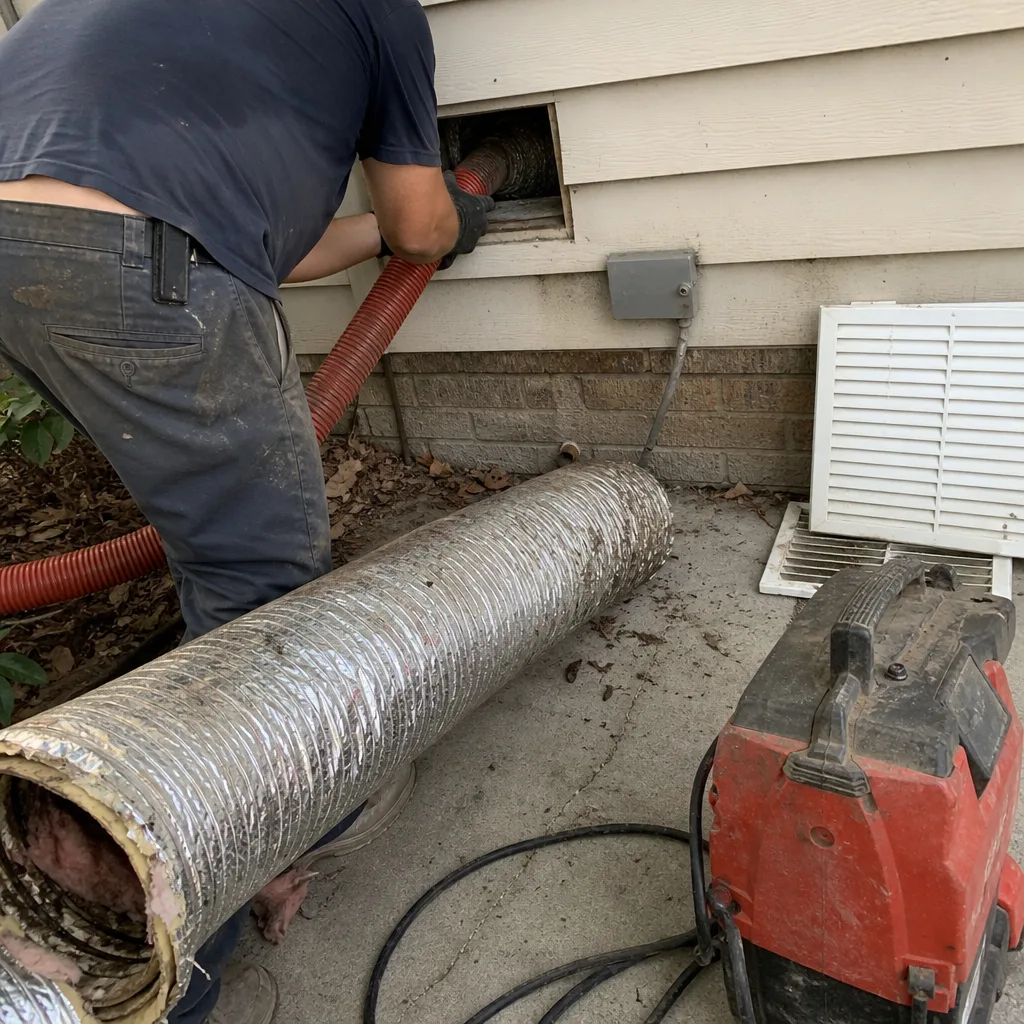 Before
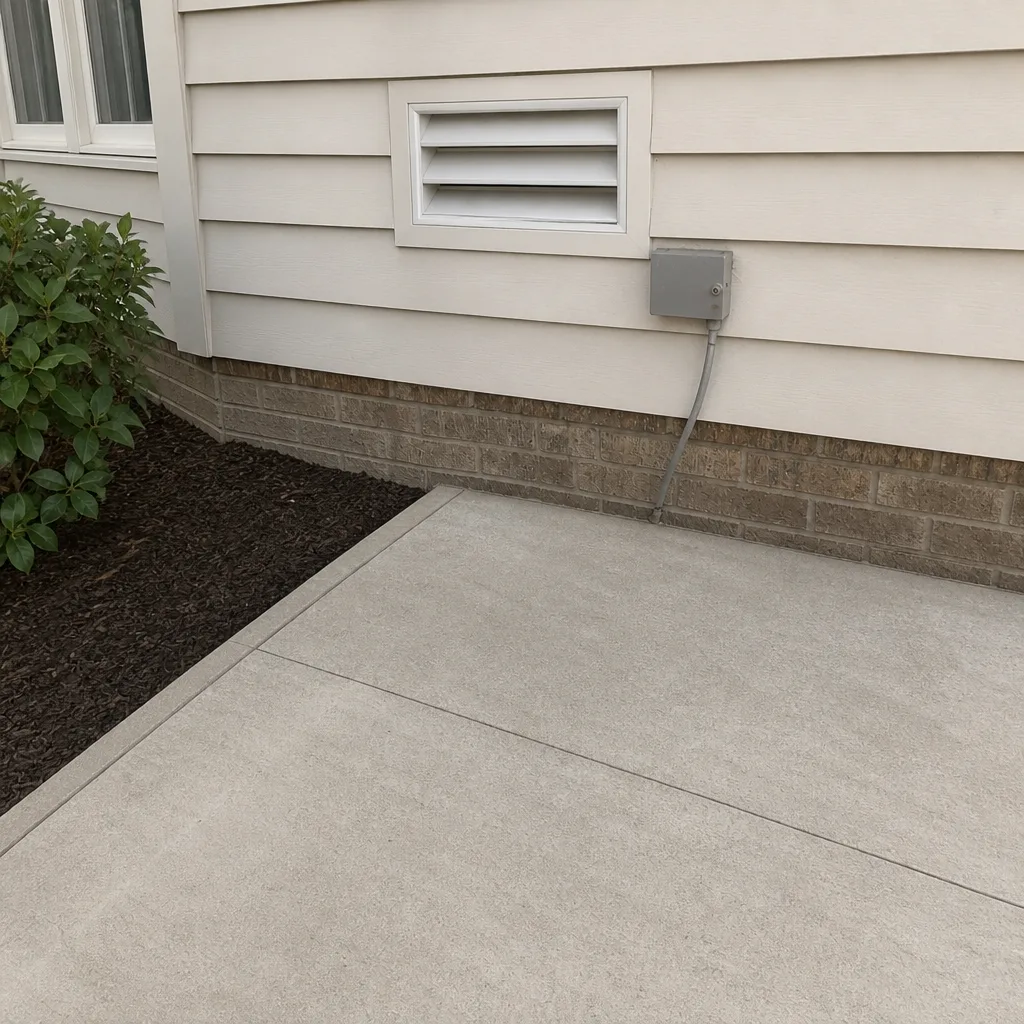 After
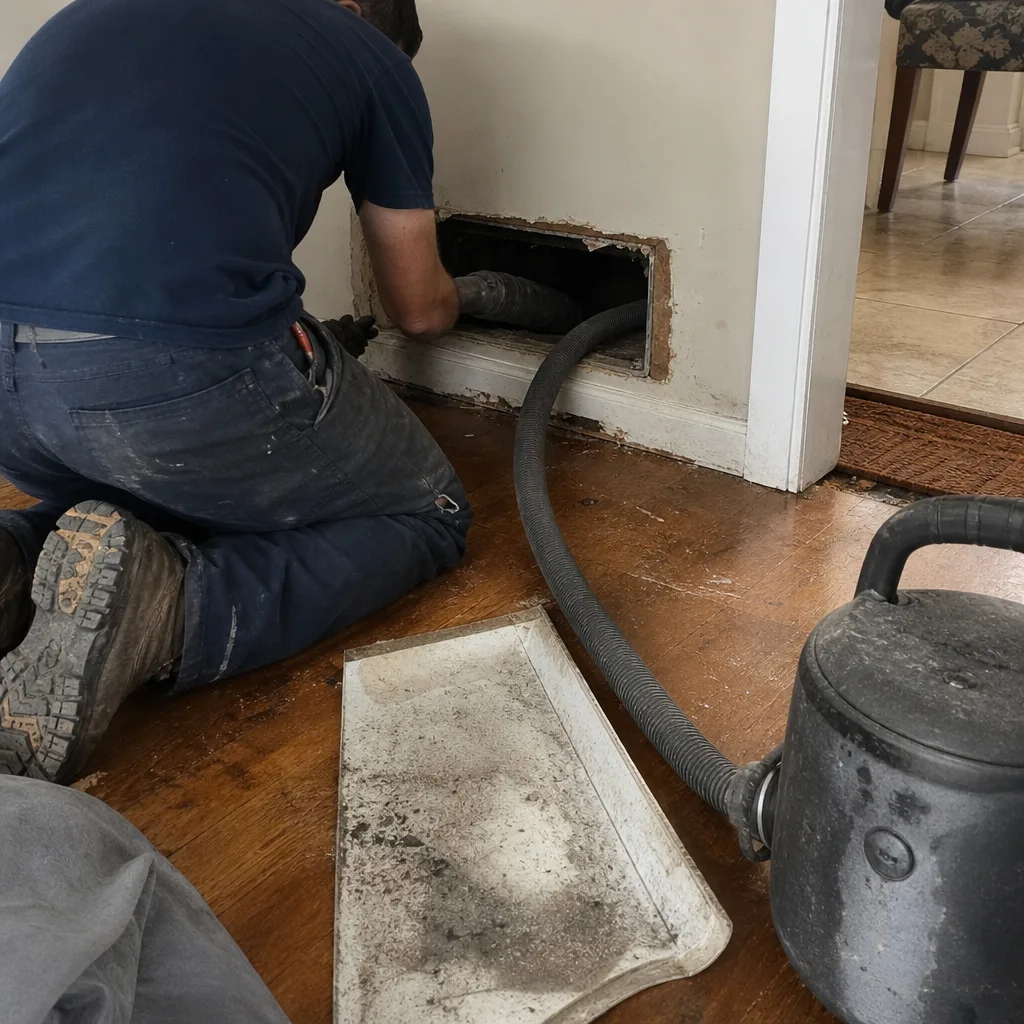 Before
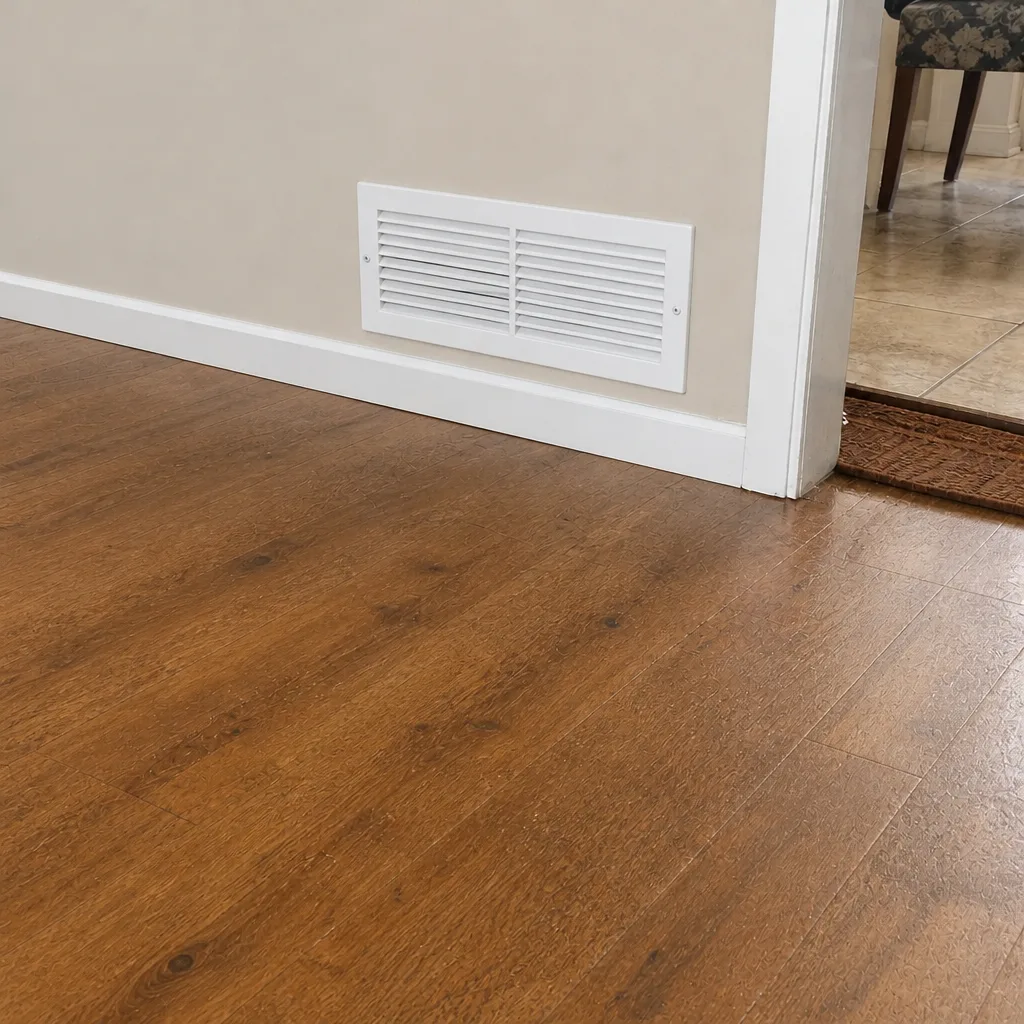 After
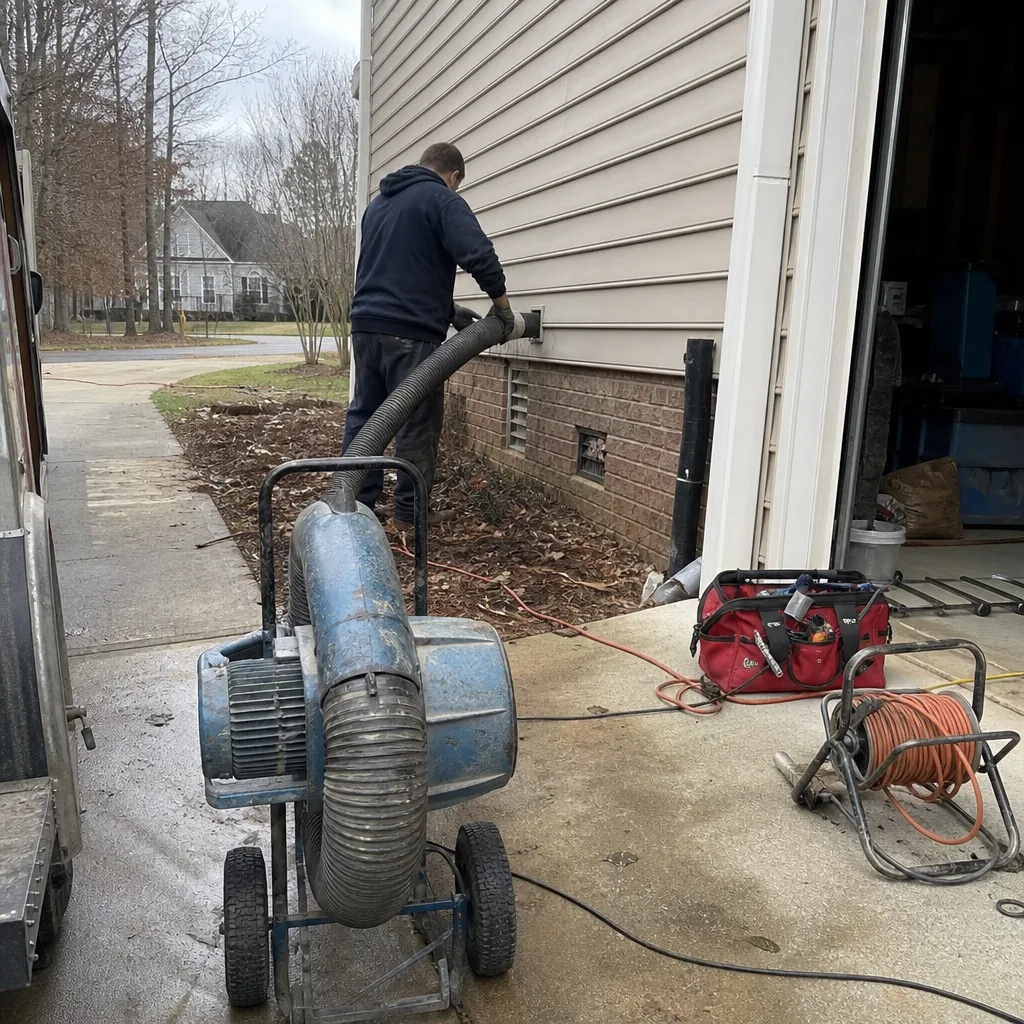 Before
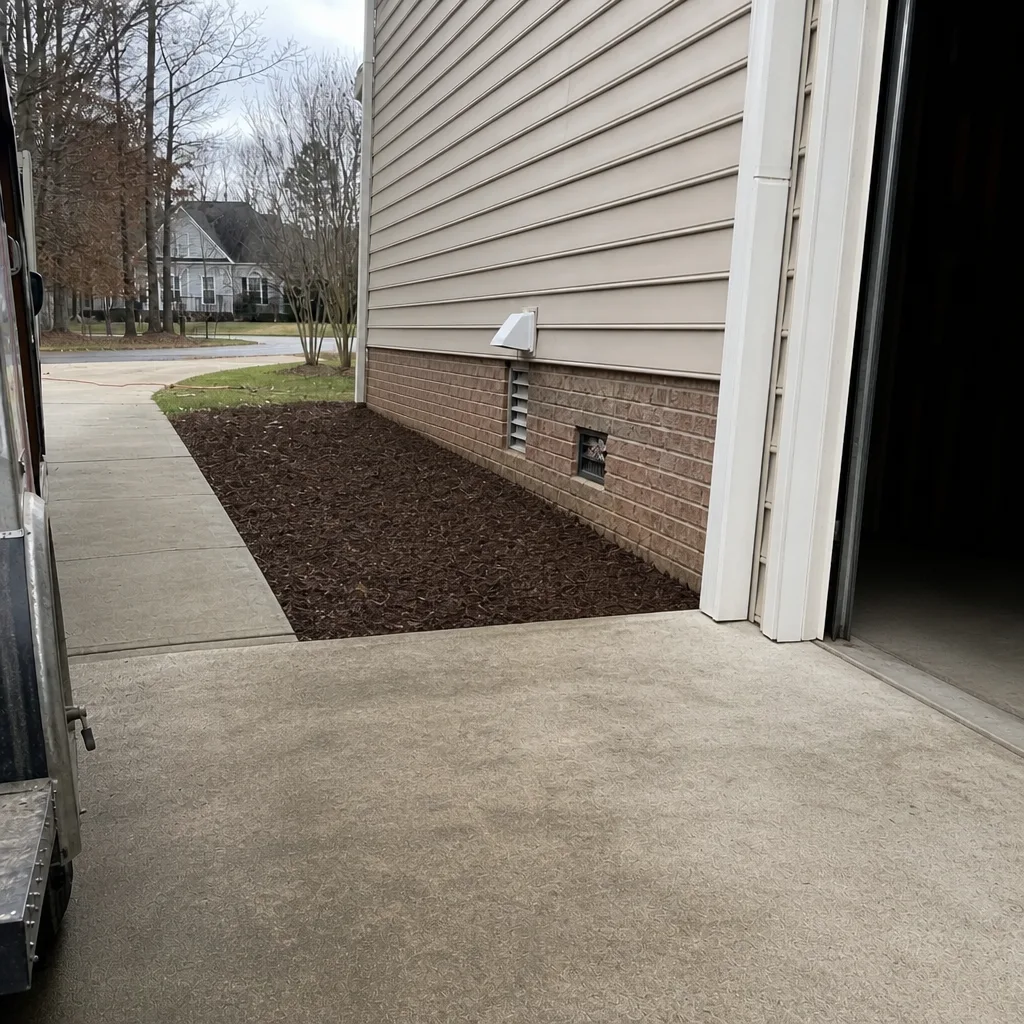 After
When to Call a Professional
Some duct conditions are a maintenance question and some are a health or safety question. The second category is where a professional visit matters most. Call when you notice a persistent musty odor that returns within weeks of a previous cleaning, when a family member’s allergy or asthma symptoms are consistently worse inside the home than outside, when visible mold appears on supply registers or near the air handler, or when the system’s airflow is uneven from room to room in a way that changes with the season. Call after any water intrusion, roof leak, or crawlspace flooding that may have reached ducts or the air handler. Call if the previous cleaning was more than a few years ago and was never followed by a duct seal check, since that’s the most common reason a system re-contaminates in this climate. Air Duct Cleaning Steele Creek offers free estimates in Steele Creek. Call (855) 550-7321. We answer 24/7. Fast dispatch from 7am to 7pm, Sunday through Friday, closed Saturday.
Frequently Asked Questions
Late March to early April and September to early October are the two best windows in Steele Creek. Spring cleaning gets the system ahead of the cooling season, and fall cleaning removes the accumulated summer load before the heating season circulates it through the home. Cleaning outside those windows can still help, but the two shoulder seasons are when the work has the longest effect. Call (855) 550-7321 for a free estimate, and we’ll tell you which window fits your system.
Whole-system pricing for a Steele Creek home is typically set per job by a written estimate after an inspection, not per vent. That’s the honest way to quote it, because a 1,800-square-foot ranch and a 3,200-square-foot two-story with a finished basement are completely different jobs, and a leaky flex system with attic runs takes more time than a tight one. Ask for a written scope and a single flat price before work starts. Call (855) 550-7321 for a free estimate. We answer 24/7. Fast dispatch from 7am to 7pm, Sunday through Friday.
Ask for before-and-after photos of the duct interior from the same locations, and ask what equipment was used by name. Rotobrush and Nikro systems with containment leave a record because the technician has to open the system and pull contaminants out through a controlled setup. A shop-vac visit leaves no record and no visible difference in the ducts. Ask before booking, not after.
Every two to three years is right for most Steele Creek homes, with an annual inspection. Homes with pets, allergy-sensitive occupants, recent renovation dust, or a crawlspace moisture problem should clean closer to every year. Homes with sealed, well-maintained systems in newer construction can stretch it. The calendar matters more than the interval; a spring and fall schedule built around the local climate does more than a random annual booking.
Cheap quotes typically cut equipment, scope, or time. A per-vent price that sounds low on the phone often covers only the accessible registers, not the return plenum, coil, or farthest supply runs, and it rarely includes containment, sanitizing, or a duct seal inspection. The written estimate should list what’s included, what equipment is used, and what happens if the technician finds a problem mid-job. Ask that question before price becomes the deciding factor.
In most Steele Creek homes, yes. Sealing is what stops a system from pulling attic or crawlspace air back in, which is the reason the ducts got dirty in the first place. Cleaning alone removes the current load. Cleaning plus sealing changes what accumulates through the next season. A written estimate should break out the two so you can see the difference.
Dryer vent cleaning belongs on the same annual calendar as the HVAC ducts, and it’s the higher fire-risk item of the two. Lint accumulation in the vent reduces dryer efficiency and creates a fire hazard. A once-a-year cleaning in a Steele Creek home is right for most households, and it should be part of the same seasonal visit if the schedule allows.
The Bottom Line
Timing drives the result more than frequency does. In Steele Creek, the contamination cycle peaks in spring before the cooling season loads the system and again in fall after a humid summer has pushed moisture through every duct run. Cleaning in those windows with professional equipment, and pairing each cleaning with a duct seal inspection, is what actually prevents the recurring dust, smell, and allergy symptoms that make homeowners re-book the same service every year. Build the calendar around late March and September, maintain filtration and humidity in between, and let the system tell you when it needs repair rather than a second cleaning. Call (855) 550-7321 for a free estimate.
Written by the team at Air Duct Cleaning Steele Creek.