
Last updated November 25, 2026
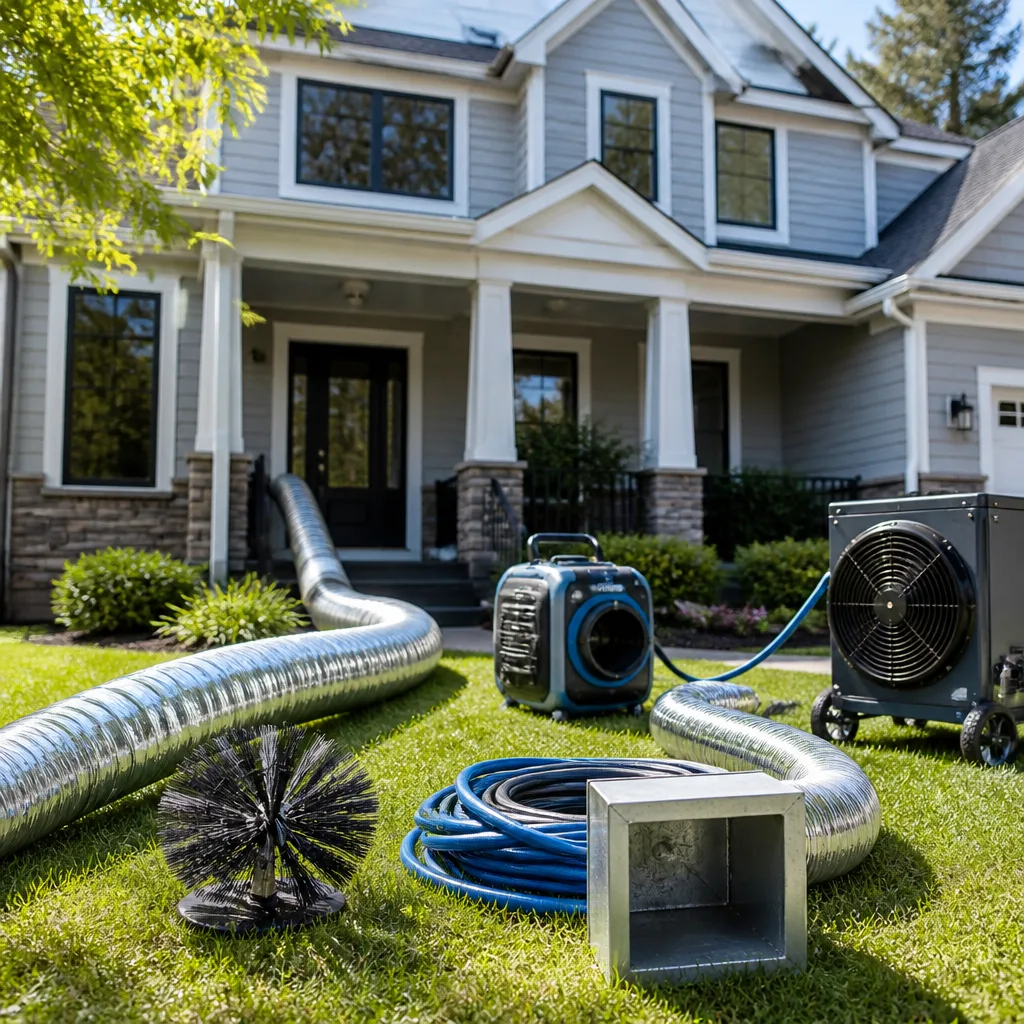 Whole-home duct cleaning
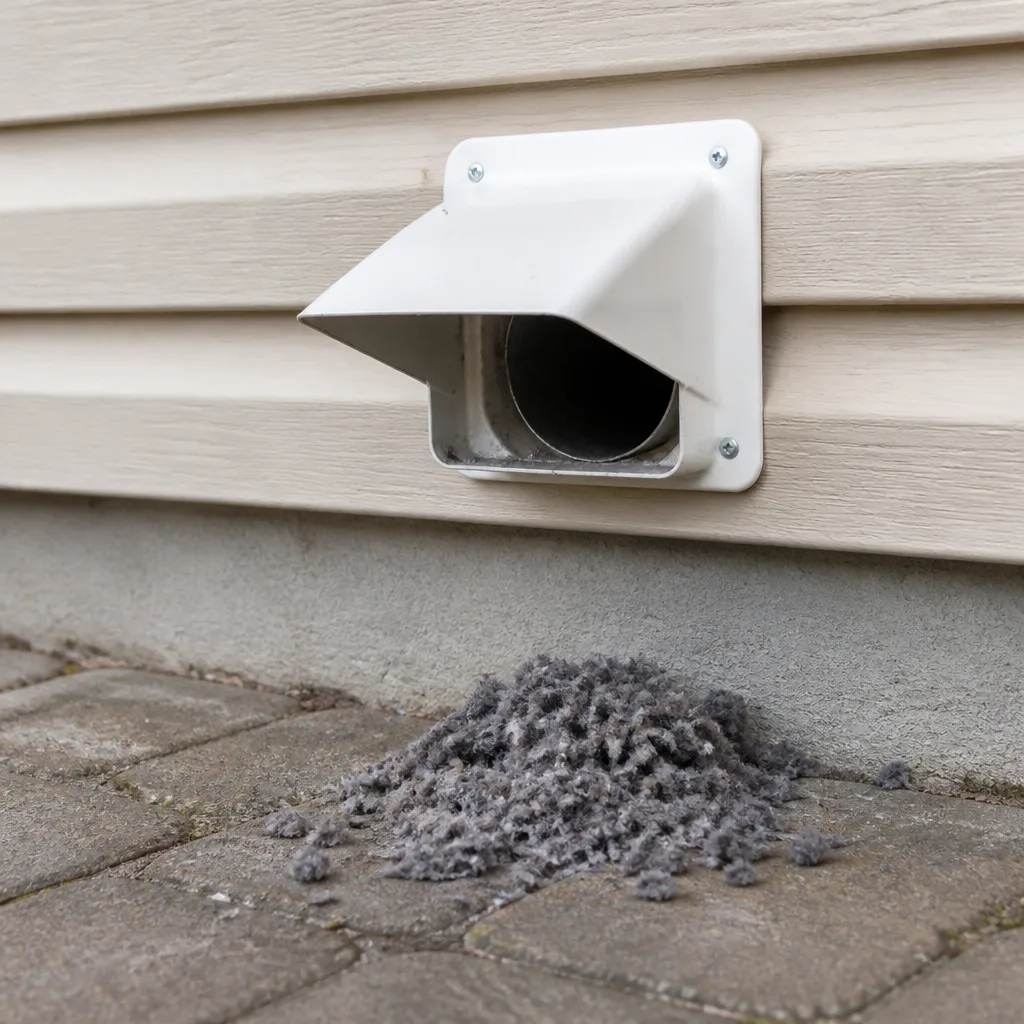 Dryer vent cleaning
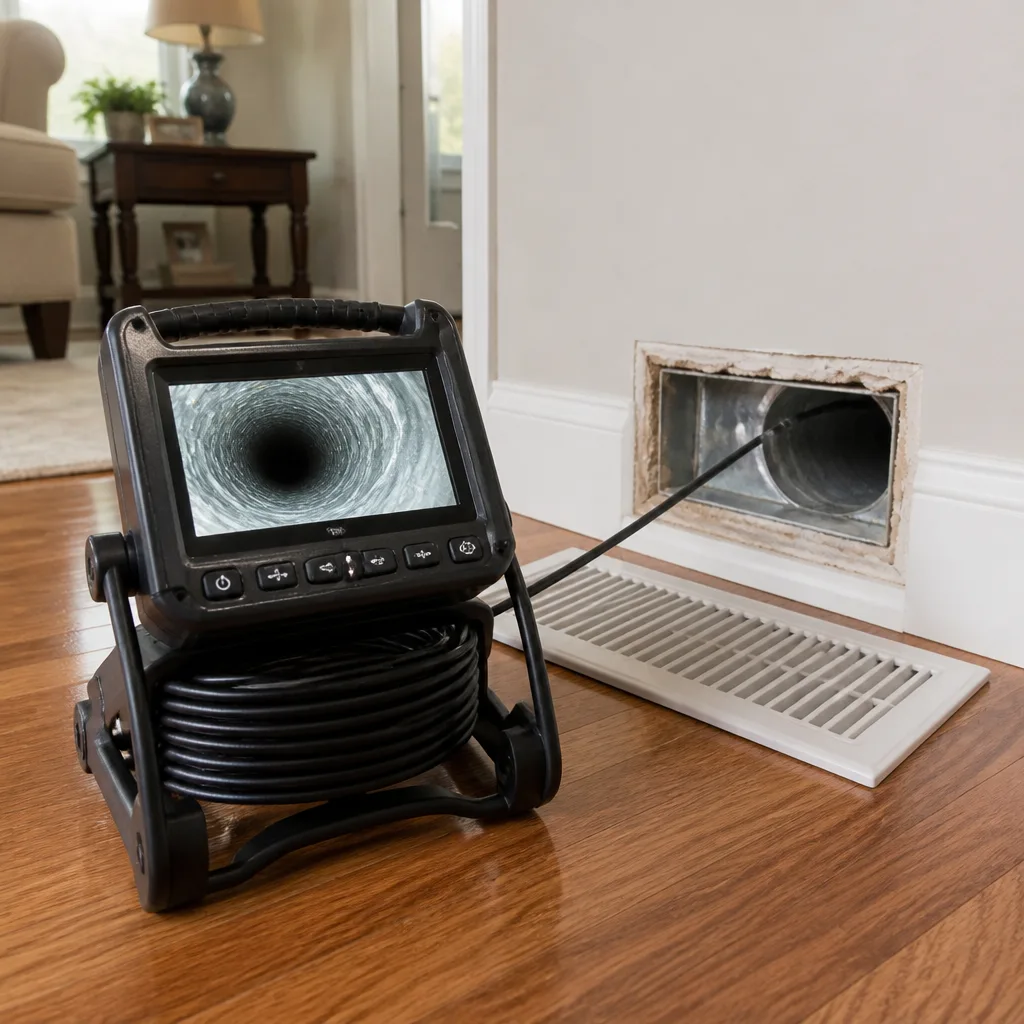 Camera inspection
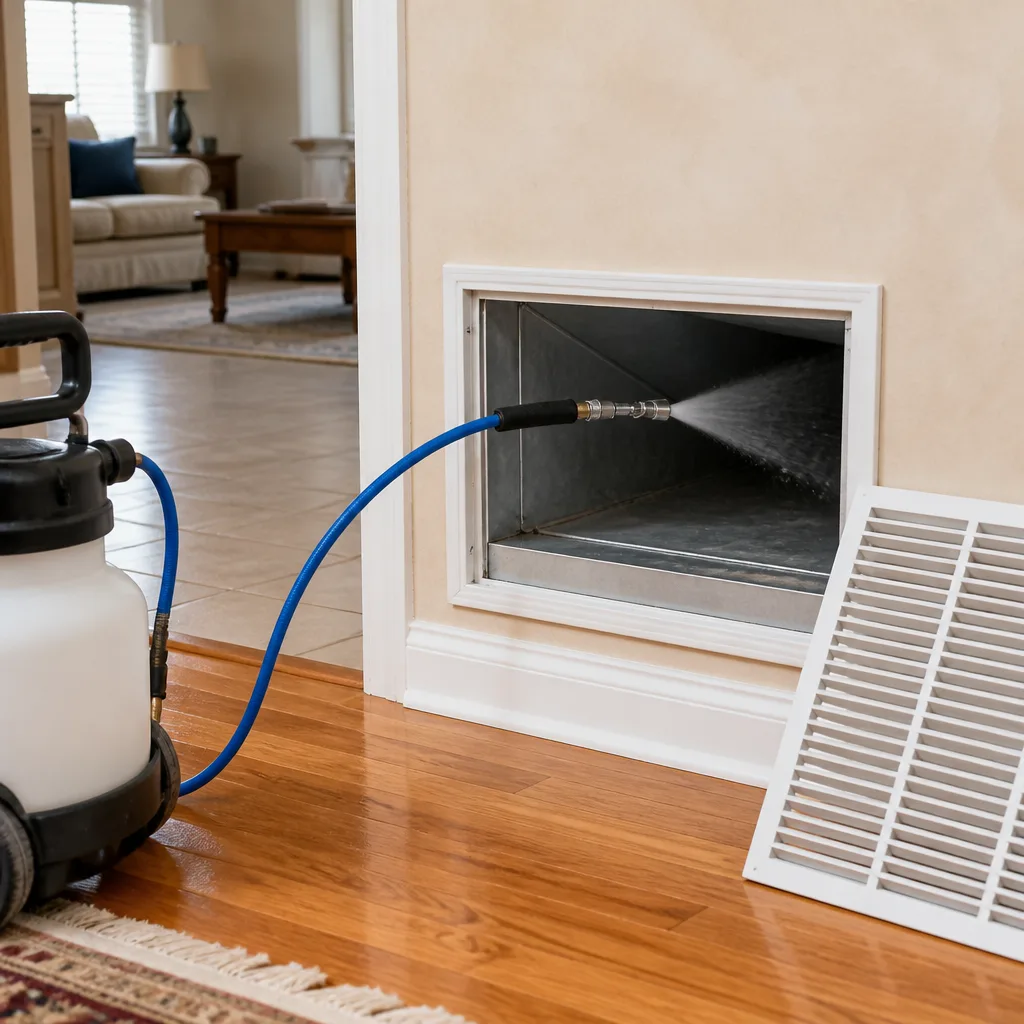 Sanitizing & deodorizing
Whole-system duct and dryer vent check with before-and-after photos - you see exactly what came out of your vents
That "$99 whole-house special" is a bait ad - the real number appears once they are in your hallway, or the "clean" is a shop-vac at the register. We photograph the inside of your ducts before and after instead.
DIY vs Professional Air Duct Cleaning: The Steele Creek Homeowner’s Decision Guide
Every DIY duct cleaning guide tells you to vacuum your registers and change your filter, which is genuinely useful maintenance but has about as much in common with a real duct cleaning as wiping your stovetop has with cleaning a hood exhaust. The gap isn’t skill. It’s physics. A shop vacuum and a long brush can reach maybe 8% of the actual duct surface area in a typical home, and the other 92% sits behind corners, in trunk lines, and inside plenum runs that no homeowner tool can touch. This guide is honest about what DIY accomplishes, what it can’t, and which specific scenarios in Steele Creek homes make the professional route the right call rather than an upsell.
Quick Answer
DIY duct cleaning is worth doing for register wiping, filter changes, and dryer vent inspection, but it cannot replace professional source-removal cleaning because consumer vacuums lack the airflow and negative pressure to pull debris out of the full duct system. For a Steele Creek home with visible dust, musty odors, recent renovation debris, or any sign of mold, professional cleaning with commercial equipment like Rotobrush or Nikro is the only method that actually removes contamination rather than redistributing it. Most homes benefit from professional cleaning every few years, not every season.
Styles & brands we work with
- Whole-home duct cleaning
- Dryer vent cleaning
- Camera inspection
- Sanitizing & deodorizing
Table of Contents
- Why DIY Can’t Match Professional Airflow: The Physics of Negative Pressure
- What a Steele Creek Homeowner Can Legitimately Do Yourself
- Scenario Mapping: Which Situations Warrant Professional Cleaning
- The Rental Equipment Math for a Standard 3-Ton Steele Creek System
- Why Blowing Out Ducts Makes Things Worse
- What Professional Equipment Actually Does That Yours Can’t
- Steele Creek Climate, Housing, and Duct Realities
- How to Decide for Your Home
Why DIY Can’t Match Professional Airflow: The Physics of Negative Pressure
Professional duct cleaning works on a principle called source removal under negative pressure. A high-powered vacuum unit connects to the main trunk line and pulls the entire duct system into negative pressure, meaning air flows inward through every branch and register rather than outward into your living space. While that negative pressure holds, a technician works a rotary brush or air whip through each run, loosening debris that the vacuum then captures at the source. The debris never enters the room.
The reason your shop vacuum can’t replicate this comes down to CFM, or cubic feet per minute of airflow. Consumer vacuums move a fraction of the air that a truck-mounted or portable commercial unit does. Without enough CFM, you can’t sustain negative pressure across a whole duct system, so anything you loosen simply drifts back into the home or settles in a section you already cleaned.
There’s a second problem: reach. Residential ductwork has turns, transitions, plenum boxes, and branch takeoffs that a consumer brush physically cannot navigate. The brush hits the first elbow and stops. Professional rotary tools flex through those turns because they’re designed for it.
- Airflow: Commercial units move many times the CFM of consumer vacuums, which is what creates system-wide negative pressure.
- Reach: Flexible rotary brushes and air whips navigate elbows and branch runs that a straight brush cannot.
- Containment: Professional setups use HEPA filtration at the vacuum, so what comes out of the duct stays out of your air.
- Verification: A technician can inspect before and after with a camera, giving you photo evidence of what was removed.
None of this is about the homeowner lacking skill. A careful homeowner with good equipment still can’t overcome the CFM gap or the reach limit. That’s the structural limitation most guides gloss over.
What a Steele Creek Homeowner Can Legitimately Do Yourself
DIY has a real place, and it’s worth naming precisely so you don’t waste effort on tasks that don’t move the needle. Here’s what’s genuinely useful for a homeowner to handle between professional cleanings.
- Wipe and vacuum registers and grilles. Remove the covers, wash them in a sink, and vacuum the visible duct opening behind each one. This removes surface dust before it gets pulled deeper into the system.
- Change filters on schedule. A clogged filter starves the system of airflow and forces the blower to work harder. Check monthly during peak heating and cooling seasons and replace when visibly loaded.
- Inspect the dryer vent. Disconnect the vent from the back of the dryer periodically and check for lint buildup. This is one of the most valuable things you can do yourself; dryer vent fires are a real hazard.
- Look at accessible flex duct. In an attic or crawl space, you can visually inspect flex runs for kinks, tears, disconnected joints, or crushed sections. You’re looking, not fixing.
- Seal obvious leaks at register boots. Foil tape around a register boot that’s separated from drywall is a legitimate DIY fix that stops attic air from being pulled into the system.
- Keep returns clear. Furniture, rugs, and boxes blocking return grilles reduce system efficiency in ways that a cleaning can’t fix.
Notice what’s not on that list: cleaning the interior duct surface beyond the register opening. That’s the line where DIY stops being useful and starts being a false economy.
Scenario Mapping: Which Situations Warrant Professional Cleaning
Not every home needs the same treatment. The right call depends on what triggered the concern in the first place. Here’s how we think through the scenarios we see most often in Steele Creek homes.
New Construction
A newly built home almost always has construction debris inside the ductwork: drywall dust, sawdust, insulation fibers, and occasional larger fragments from the framing stage. Builders don’t typically clean ducts after construction because the system is finished last. A professional cleaning right after move-in removes material that would otherwise circulate through the home for years.
Post-Renovation
Any renovation that involves drywall sanding, demo, or cutting into ceilings and floors pushes fine particulate into the return air path. Even with plastic sheeting, dust finds its way in. If you’ve had significant work done within the past year, a professional cleaning is warranted, especially if anyone in the home has allergies or asthma.
Mold-Suspected Systems
If you smell a musty, earthy odor when the system runs, or you’ve seen dark spotting on a register or the interior of the air handler, that’s a mold question, not a dust question. This is where professional equipment with HEPA containment and treatment products matters most. Cleaning without containment can spread spores through the home.
Standard Maintenance
For a home with no recent construction, no visible mold, and no unusual symptoms, the honest answer is that professional cleaning every few years is enough. Homes with pets, smokers, or allergy sufferers may benefit from a tighter interval.
For most of these scenarios, air duct cleaning performed with proper equipment is the difference between a real fix and a surface wipe-down.
The Rental Equipment Math for a Standard 3-Ton Steele Creek System
The rental pathway sounds appealing until you add it up. A homeowner in Steele Creek with a standard 3-ton system and roughly 1,800 to 2,400 square feet of conditioned space typically faces a specific set of costs and limitations if they try to go the rental route.
First, the equipment. Most rental yards stock consumer-grade or light commercial vacuums and duct brushes. These are better than a shop vac but still fall short of the CFM and negative pressure you’d get from a Rotobrush or Nikro system. You’ll pay for the day, plus fuel to pick up and return the unit, plus any brushes or accessories you need to buy.
Second, the time. Working a brush through each run in a 3-ton system takes hours, and you’ll need a second person to help move the vacuum between connection points. A full day is realistic for a motivated homeowner, and that’s only if the runs are accessible.
Third, the reach problem doesn’t go away with rented equipment. Rental brushes still can’t navigate every elbow in a home with complicated trunk-and-branch layout. You’ll clean what you can reach and leave the rest.
Fourth, the containment problem. Without HEPA filtration at the vacuum, you’re pulling debris out of the duct and into the room. That’s not necessarily dangerous for a healthy adult, but it’s counterproductive if allergies or asthma are the reason you’re cleaning in the first place.
In our experience, most homeowners who run this math end up realizing the rental route costs a full weekend, requires a helper, and produces a partial result. The professional route produces a documented, contained, full-system result. That’s the honest comparison.
Why Blowing Out Ducts Makes Things Worse
There’s a persistent idea that you can clean ducts by putting a leaf blower or compressed air into one end and blowing everything out the other. This is the worst thing you can do to a duct system, and here’s why.
Duct contamination is loose particulate, dust mites, mold spores, pet dander, and debris. When you blow high-pressure air into the system, that material doesn’t disappear. It redistributes. Some of it lands in the room through open registers. Some settles in sections of duct you already thought were clean. Some gets forced deeper into the coil and air handler, where it can affect system performance.
Real duct cleaning works the opposite way. Negative pressure holds the system under vacuum while a technician agitates the surface, then captures the loosened material at the source with HEPA filtration. Everything goes out, nothing goes in.
If you’ve ever seen a video online of someone blowing out their ducts with a leaf blower, that’s not a hack. It’s a way to turn a contained problem into a distributed one. The professional method exists for a reason.
Related work on the HVAC side matters here too. Contamination that settles into the air handler and evaporator coil is a separate cleaning task from duct work; our HVAC cleaning service addresses that path so debris doesn’t get reintroduced into freshly cleaned ducts. If your system has been running with compromised airflow for a while, the equipment and coil are typically worth inspecting.
What Professional Equipment Actually Does That Yours Can’t
The reason we emphasize equipment isn’t to sell hardware. It’s that the equipment defines the outcome. A Rotobrush or Nikro system is built around a specific job: creating system-wide negative pressure, then agitating every reachable surface inside the duct while capturing everything the agitation loosens.
The chain looks like this:
- Connect the vacuum unit at a strategic point in the system, usually the main trunk or an accessible plenum.
- Seal the register openings except the one being cleaned, so the entire system holds negative pressure.
- Feed a rotary brush or air whip through each branch, agitating the interior surface.
- Capture loosened debris at the vacuum with HEPA filtration, so it never enters the living space.
- Repeat for every run, then inspect the interior with a camera and photograph before-and-after conditions.
The Abatement Technologies containment and filtration equipment we use goes a step further on mold and allergen jobs. It’s what allows a contaminated system to be cleaned without spores being pushed into the home during the process. Honeywell and Aprilaire components enter the picture when the goal shifts from cleaning the ducts to improving the air quality that flows through them long-term.
Beyond cleaning, duct repair and sealing is where a lot of Steele Creek homes find their real fix. Loose joints, disconnected flex runs, and boot-to-drywall gaps pull attic air (and whatever’s floating in it) into the system. Cleaning without sealing is temporary. Sealed and restored is what holds. Guardsman treatment products finish the job on the sanitizing side when microbial concerns are present.
You can see the full picture of how these pieces connect on our Air Duct Cleaning Steele Creek home page. Our technicians have up to 14 years of experience working with these systems and can walk you through what your specific duct layout requires.
Steele Creek Climate, Housing, and Duct Realities
Steele Creek sits in the Piedmont of North Carolina, which means humid summers and mild but variable winters. That climate shapes duct contamination in specific ways. The long cooling season keeps the system running most of the year, which means more airborne material cycles through the ducts before it settles. High summer humidity also favors biological growth in any part of the system that stays damp, especially around the air handler and evaporator coil where condensation forms.
Housing stock in Steele Creek spans a wide range. Older homes in established neighborhoods often have duct systems that were retrofitted rather than designed with the house, with more flex duct running through unconditioned attic space. Newer builds typically have tighter duct layout but a fresh installation full of construction dust. Both warrant attention, just for different reasons.
Attic runs matter here. In a humid Piedmont summer, an unconditioned attic can sit at very high heat and humidity, and any duct leak in that space pulls attic air into the home along with whatever’s floating in it. Sealing those leaks pays back in both air quality and energy cost. In our experience, the homes that get the most relief from a professional cleaning are the ones where we also address duct integrity, not just the interior surface.
Neighborhoods like Ayrsley, Berewick, and the older sections along Steele Creek Road see a mix of these housing patterns. The right approach depends more on the specific system and history than on the neighborhood itself, but the humid Piedmont climate factors into every Steele Creek job we scope.
If dryer vent concerns are part of your picture, dryer vent cleaning is a task worth handling on a regular interval. Lint buildup in a dryer vent is a fire hazard, and it’s often overlooked during a duct cleaning conversation because it’s a separate system. Both belong in a full indoor air pathway plan.
How to Decide for Your Home
Here’s the decision framework we’d use if this were our own home:
- No symptoms, no recent construction, no pets or allergies: DIY register cleaning and filter management is enough for now. Schedule professional cleaning every few years as maintenance.
- Recent renovation within the past year: Professional cleaning is warranted. Construction debris spreads throughout the system and doesn’t clear on its own.
- Musty odor, visible mold, or respiratory symptoms that worsen at home: Professional cleaning with HEPA containment and treatment products. Do not attempt DIY.
- New construction move-in: Professional cleaning is worth doing in the first year to remove build debris.
- High energy bills or uneven airflow: This points to duct integrity, not just cleanliness. Cleaning plus sealing is the combined fix.
When you call, we’ll help you figure out which of these matches your situation. There’s no pressure to schedule work that isn’t warranted. The honest answer is sometimes that your ducts are fine and a filter change is what you need. Steele Creek homes vary enough that a real conversation beats a generic rule of thumb.
Common Mistakes to Avoid
- Blowing out ducts with high pressure. This redistributes contamination through the house instead of removing it. If you want to clean ducts, the method has to pull material out, not push it around.
- Using a shop vac without HEPA filtration. Shop vacs exhaust fine particulate back into the room. Without HEPA, you’re just moving dust from one place to another.
- Ignoring the return side. Homeowners often focus on supply registers and forget returns pull from every room in the house. The return path often carries the heaviest contamination load.
- Skipping filter checks after a cleaning. A cleaning loosens debris, and some of it ends up at the filter. Check the filter within a week and replace if loaded.
- Treating duct sealing as a separate future project. Cleaning without sealing leaves the same leaks that pull attic air into the system. Do both together where possible.
- Believing a coupon price is a full-system price. Very low advertised prices often cover a partial clean, not the whole system. Ask what’s included before booking.
- Forgetting the dryer vent. It’s physically separate from the HVAC ducts but belongs in the same air health conversation. Lint buildup is a fire risk that cleaning your supply ducts does nothing to address.
See the difference
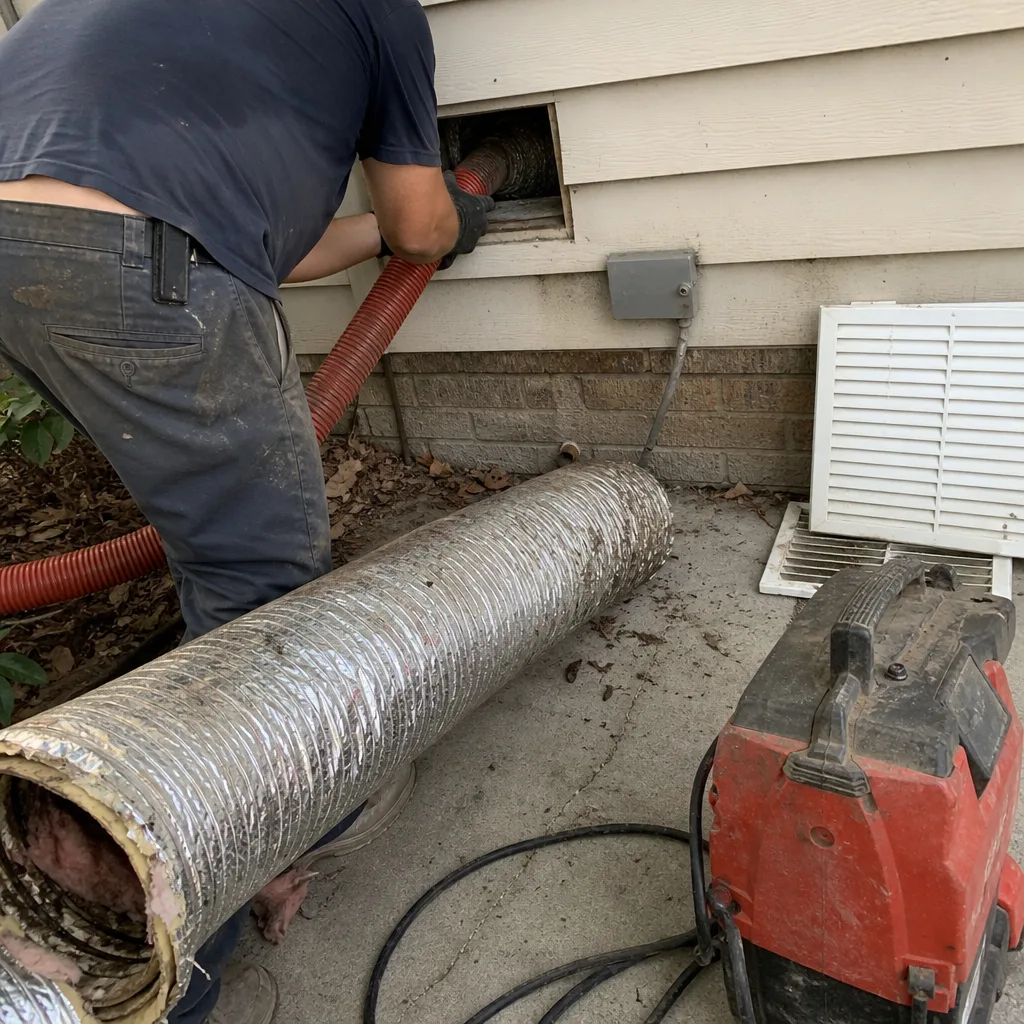 Before
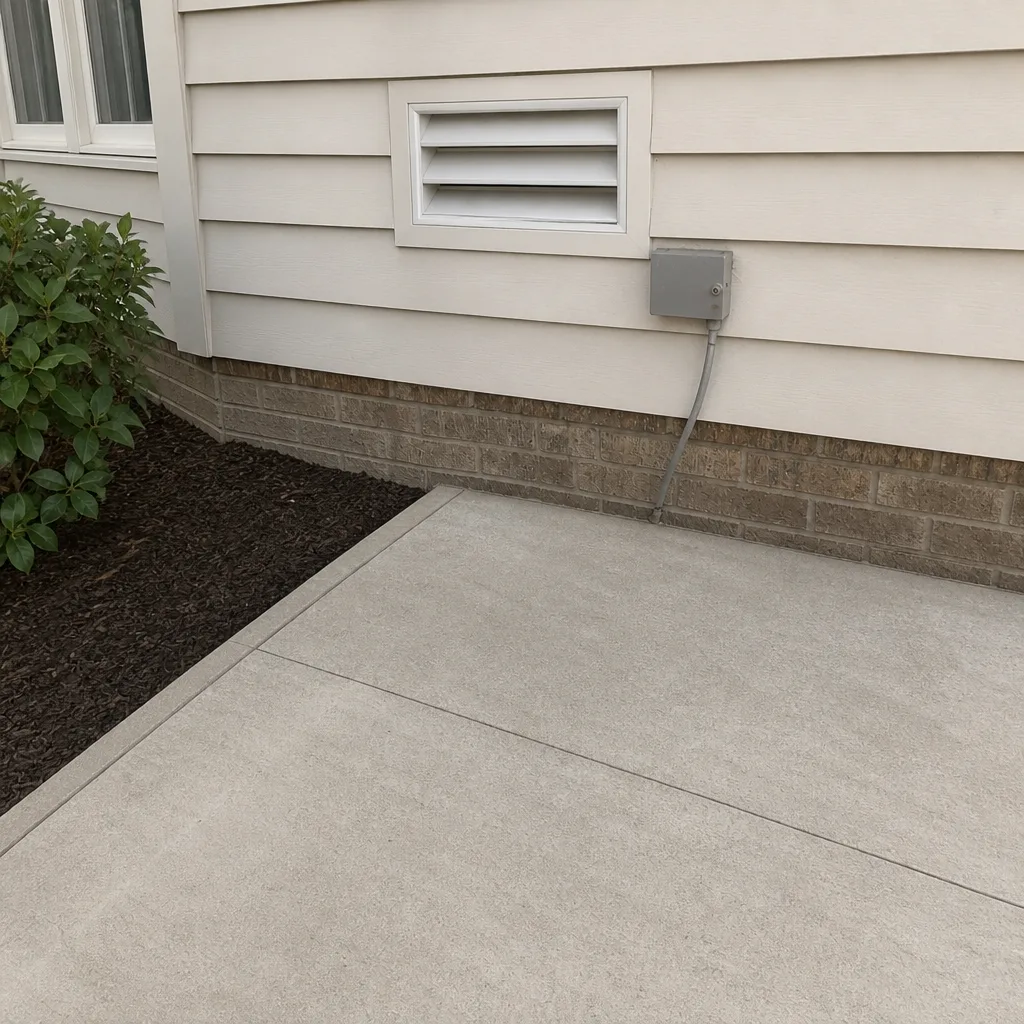 After
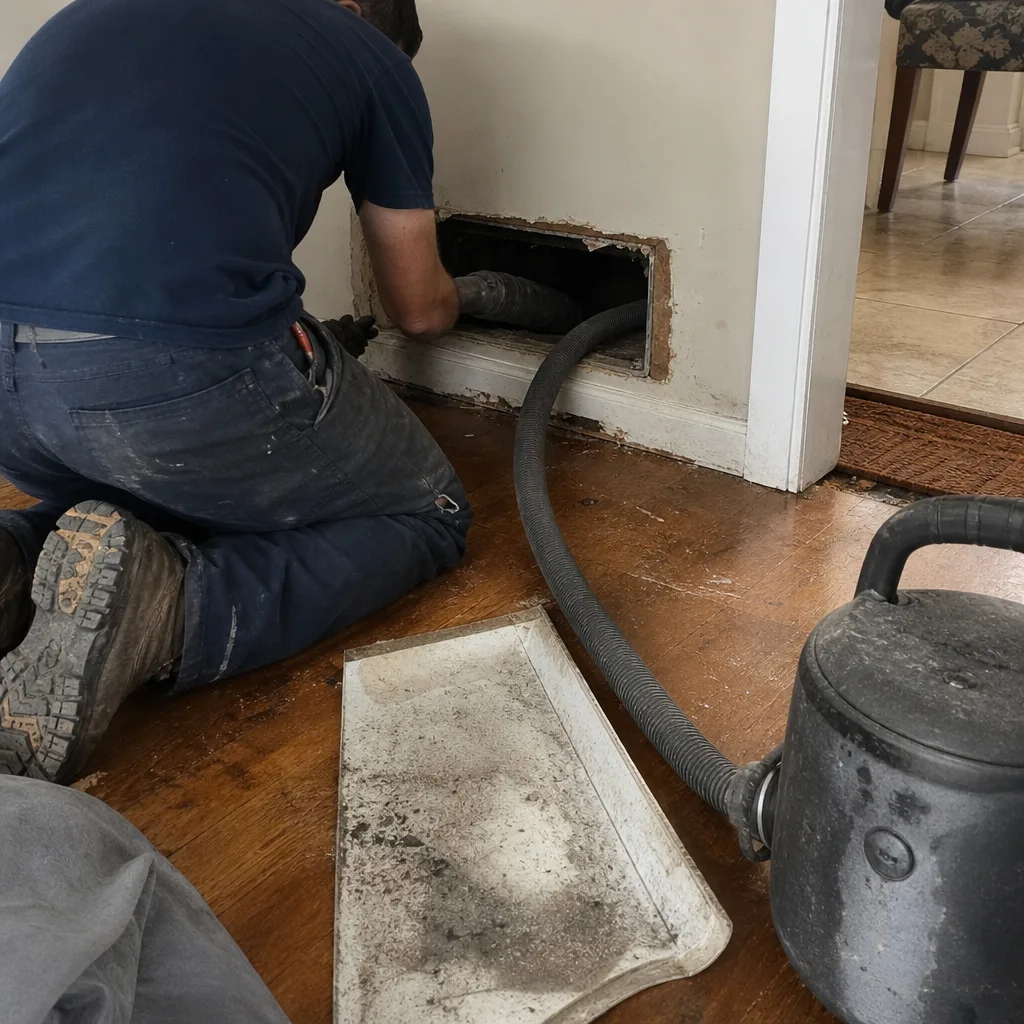 Before
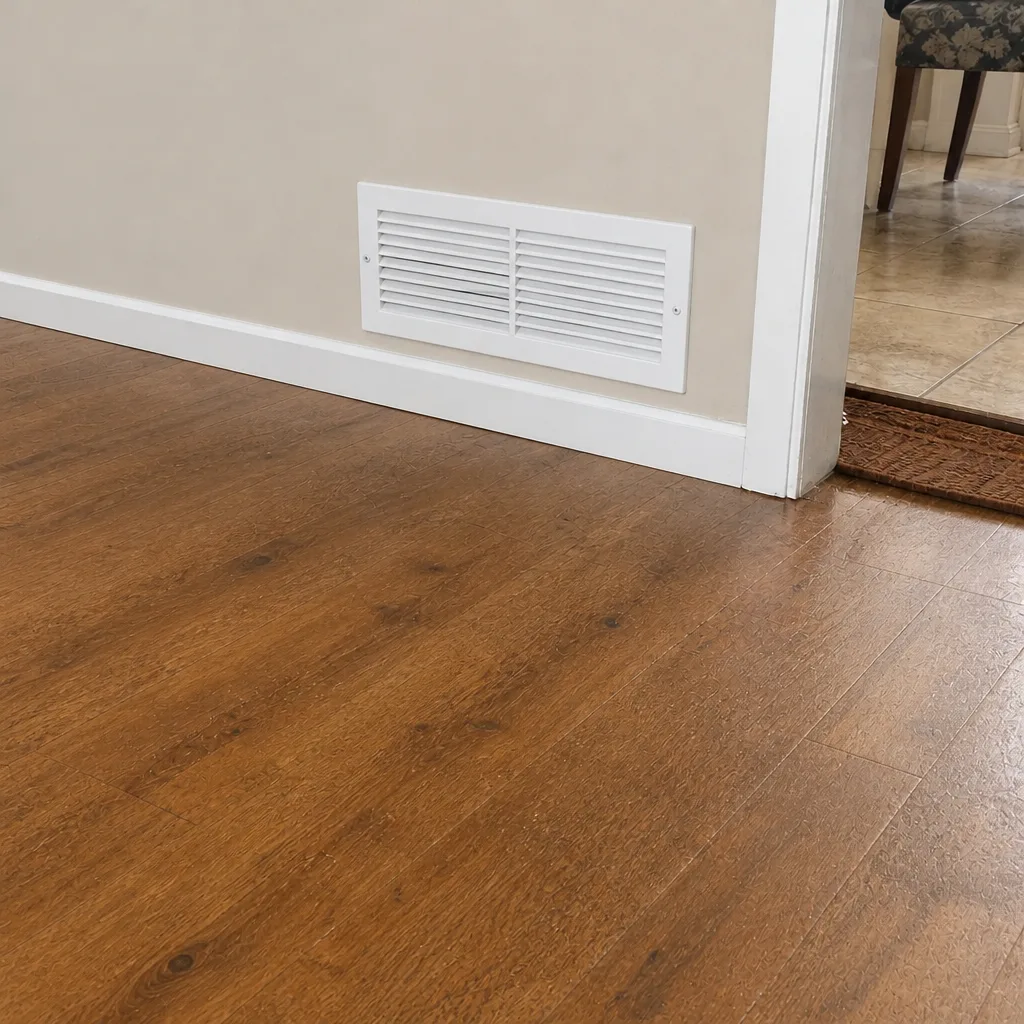 After
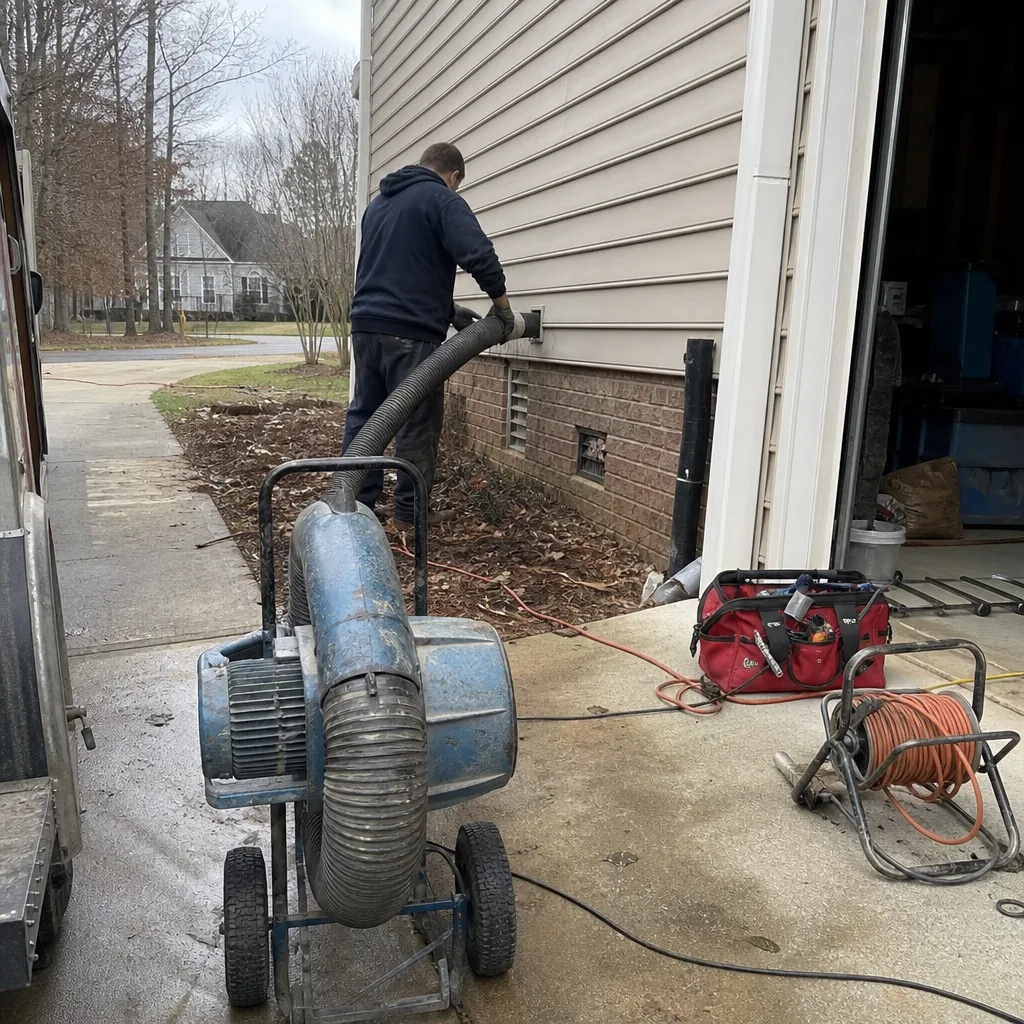 Before
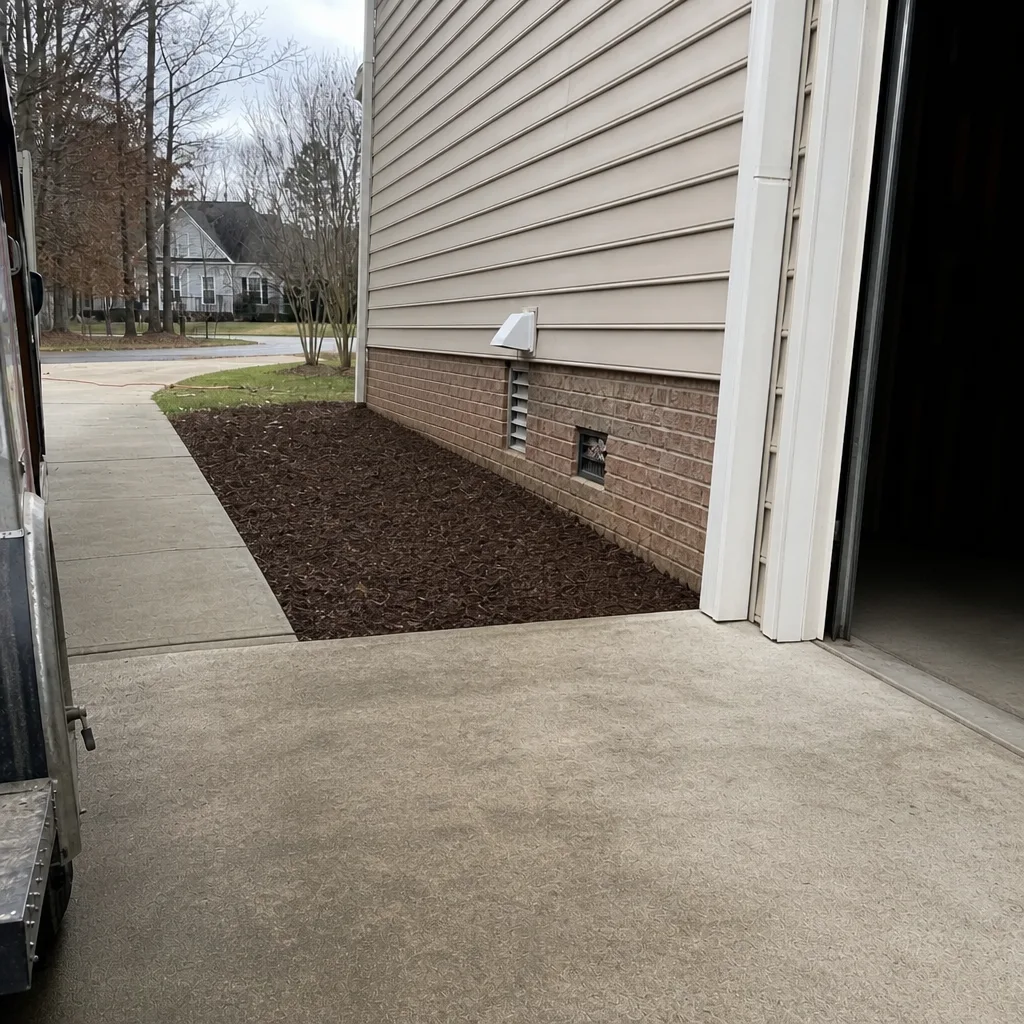 After
When to Call a Professional
Call a professional when you see or smell anything that suggests contamination beyond simple dust: musty odors when the system runs, visible dark spotting at registers or in the air handler, or allergy symptoms that flare up specifically when the HVAC is on. Call after any renovation that involved drywall work. Call after moving into a newly built home. Call if your energy bills have climbed without explanation and the system seems to be working harder than it used to. Call if you can see kinked, torn, or disconnected flex duct in the attic. And call if it’s simply been several years since the last cleaning and you want a documented baseline. Air Duct Cleaning Steele Creek offers free estimates in Steele Creek; call (855) 550-7321. We answer 24/7. Fast dispatch from 7am to 7pm, Sunday through Friday.
Frequently Asked Questions
Air duct cleaning in Steele Creek is priced per system, not per vent, based on the size of the system, the number of runs, and what condition the ducts are in. The written estimate sets the final price before any work starts, so there’s no surprise invoice once the technician is on site. Call (855) 550-7321 for an exact quote. Estimates are free.
A shop vacuum can clean the register surface and the first few inches behind it, but it cannot clean the interior duct surface throughout the system because it lacks the airflow and negative pressure to hold the whole duct under vacuum. For register wiping and filter changes, it’s fine. For real duct cleaning, it isn’t. Call (855) 550-7321 to talk through your specific layout. Estimates are free.
The most common reason a quote is very low is that it doesn’t cover the whole system, or it doesn’t include the containment equipment required to keep debris out of your home during the job. Professional equipment costs more to run, and that’s reflected in the quote. Ask what’s included, whether HEPA containment is used, and whether the technician photographs before and after. Call (855) 550-7321 for a full-system estimate. Estimates are free.
Ask for before-and-after photos of your own ducts, not stock photos. A technician working with a camera can document the interior of the duct before work starts and after it’s finished, which gives you a real record of the condition. If a company can’t provide photos of your specific system, that’s worth noticing. Call (855) 550-7321 to schedule an estimate with documented proof of work. Estimates are free.
For most Steele Creek homes with no special conditions, professional duct cleaning every few years is enough. Homes with pets, allergy sufferers, recent construction, or a history of moisture issues benefit from a tighter interval. There’s no universal annual rule; the right answer depends on the home. Call (855) 550-7321 if you’re unsure which category your home falls into. Estimates are free.
DIY register cleaning, filter management, and dryer vent inspection are safe and worth doing. The risk enters when homeowners use high-pressure air to blow out ducts, which redistributes contamination rather than removing it, or when they open up mold-suspected systems without HEPA containment. If you’re unsure, call before acting. Reach us at (855) 550-7321. Estimates are free.
The Bottom Line
DIY duct cleaning has a real, but limited, role in a Steele Creek home. Register wiping, filter changes, dryer vent inspection, and visual checks of accessible flex duct are all worth doing yourself, and none of them require special equipment. The limitation is that a consumer vacuum and brush can only reach a small fraction of the duct surface, and without system-wide negative pressure, anything loosened can wind up back in your living space. When the situation calls for real cleaning, whether because of construction debris, mold concerns, or ongoing allergy symptoms, professional equipment is what produces the outcome you actually want. Call (855) 550-7321 for a free estimate. We answer 24/7. Fast dispatch from 7am to 7pm, Sunday through Friday.
Written by the team at Air Duct Cleaning Steele Creek.